An AI birthday message generator can help you overcome a blank page, but a memorable birthday wish needs details that only you can supply. Use AI to explore wording or tone, then add a real memory, a sincere appreciation and a wish that fits the recipient.
Quick answer
Tell the AI who the message is for, the relationship, the tone and the length. Ask for a draft without invented memories, then edit it with one specific detail and words you naturally use. Keep private information out of prompts unless you understand the tool’s data practices.
- Choose the relationship and tone before writing a prompt.
- Ask for a draft that avoids clichés and invented facts.
- Personalise the message with one real memory or specific appreciation.
Choose the right tone for the relationship
A birthday wish for a close friend can be playful, while a message for a colleague may need to be warm and professional. A note for a parent might focus on gratitude; a note for a partner may include a shared memory. The relationship should guide the wording.
If you are unsure, choose sincere and simple. Avoid jokes about age, appearance, money or personal struggles unless you know the recipient enjoys that humour. A message should make the person feel acknowledged, not put them on the spot.
Write a prompt with useful context
An effective prompt does not need a long personal biography. Give the tool the recipient’s relationship to you, the tone, the intended format and a few safe details. Ask it to provide options rather than a single perfect message.
For example: “Write three warm birthday message drafts for a close friend. Keep each under 60 words. Use a sincere, lightly playful tone. Do not mention age or invent shared memories. Leave one sentence where I can add a real memory.”
- For a parent: “Write a grateful birthday note for my mother, under 90 words. Keep it natural and avoid exaggerated claims.”
- For a friend: “Give me three short, cheerful birthday text options for a close friend. Avoid age jokes and clichés.”
- For a partner: “Create a gentle anniversary-style birthday message with a place for one real shared memory. Do not make promises I have not supplied.”
Add the detail that makes the message yours
Read the draft and identify the sentence that could be sent to anyone. Replace it with a specific detail: a time the person supported you, a quality you admire or an ordinary moment you remember. One honest detail can make a short message feel more personal than a long paragraph of generic praise.
Keep the message in your vocabulary. If you usually write simply, do not send a dramatic poem because a tool suggested it. The recipient knows your voice; natural wording often feels more believable.
Use different formats for different moments
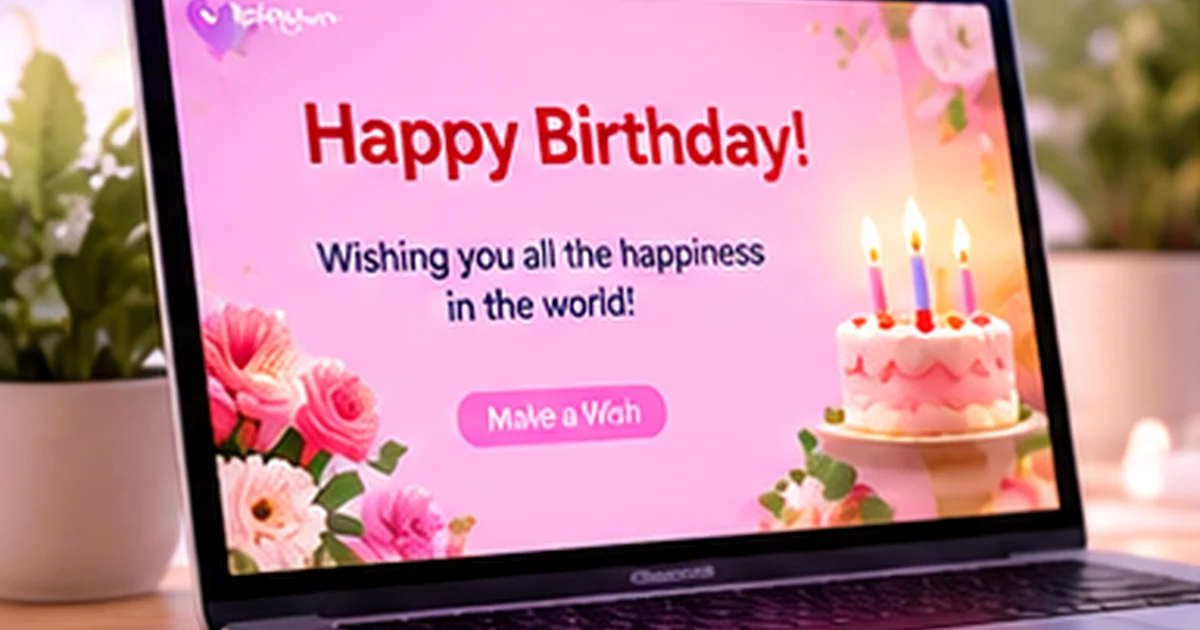
A text message should be easy to read quickly. A card can carry a longer note. A digital birthday page can combine a greeting with photographs, captions or a short timeline. Choose the format based on what the recipient would enjoy, not on how elaborate it looks.
If you publish a page or share a photo, check permission first. A birthday message can be public only when the recipient is comfortable with the audience and content.
Check accuracy, privacy and tone before sending
AI-generated text can contain details that were never provided or statements that sound more intimate than intended. Verify every fact, remove claims you cannot stand behind and make sure the message does not imply a promise or relationship status that is not true.
Keep private information out of prompts. You rarely need a full name, address, phone number, private photo or sensitive story to draft a birthday message. Read the writing tool’s privacy settings if you plan to share anything personal.
- Does every memory or detail actually happen?
- Would I say these words aloud?
- Is the tone right for this person?
- Would the recipient be comfortable with any photo or public post?
A short birthday message framework
If the generated result still feels too polished, return to a simple four-part structure: greet the person, say what you appreciate, mention one personal detail and wish them something meaningful for the coming year. You can write it yourself in a few minutes.
The point of an AI tool is to help you get unstuck. The final message should reflect the relationship, not the tool that helped you draft it.
Frequently asked questions
What should I type into an AI birthday message generator?
Include the relationship, the tone, the format and approximate length. Add one or two non-sensitive details and ask the tool not to invent memories.
How do I make an AI birthday wish less generic?
Replace broad compliments with one real memory, a specific quality you appreciate or a wish that reflects the recipient’s current interests.
Can AI create birthday wishes for different people?
It can draft variations for friends, parents, partners or colleagues, but you should adjust each message to the real relationship and check the wording.
Should I tell someone I used AI to help write a birthday message?
There is no universal rule, but be honest if asked. Most importantly, make sure the final message expresses your actual thoughts rather than pretending to contain experiences you did not have.
Further reading
For additional guidance on responsible, useful online content and search visibility:
Explore more thoughtful ideas
Browse the Wishly Guide library or visit the main Wishly website ↗.